

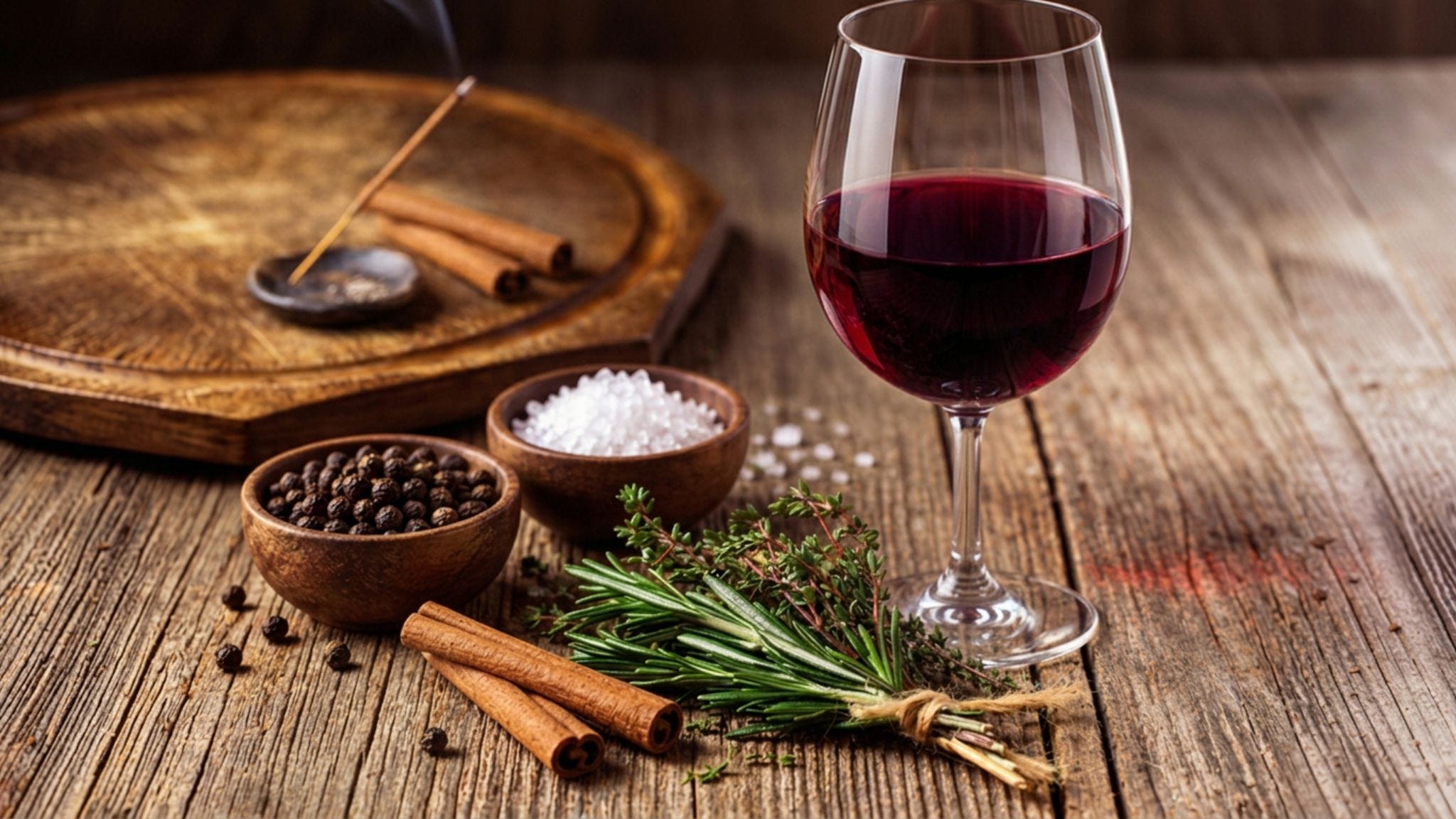
Halloween or Samhain energy is about so many things, but releasing negative shizzle and what no longer serves us, while building protection for the dark months ahead, are key themes. We have a waning moon this week, which serves this manifestation ritual perfectly too. Here’s what you’ll need and why:
Which Wine for a Protection and Release Ritual?
Find a Southern Rhône red, which will usually be a blend of Syrah, Grenache and Mourvèdre. Think red Côtes du Rhône or Châteauneuf-du-Pape.
Why? The classic tasting notes for Rhône Syrah bring black pepper, which drives unwanted energies away as well as black olive for protection. A violet lift symbolises the release of past pains. Grenache adds a sage note to enhance purification and wild strawberry to appease the spirits, while Mourvèdre brings cured-meat, leather and smoke notes to further symbolise purification and protect against bad juju. Together, they ooze dark plum and bramble fruit, known for shielding against negative energy. More info on what’s behind these below!
What you’ll need
A wine glass - crystal if possible
A small, fireproof dish
Black pepper
Salt
Pen with black ink
Paper
Black candle
Somewhere safe to burn your notes!
Manifesting with a Rhône Red: The Wine Ritual
Set the scene by adding a pinch of black pepper or a sprinkle of the grains into your dish. Next, light the candle with the intention of cleansing and banishing, then very gently strike the glass so it rings out like a bell. Pour some wine into it, then swirl and sniff it, seeking out the aromas written above if you can - but don’t taste it yet.
Next, tear some paper into strips. On each piece, write something down that you don’t want to take with you into the future: Jealous feelings about something work-related? Get it down. An old wound you’re sick of carrying? Note it. Guilt for something you can do nothing about? A habit you want to break? Write everything you can think of.
Making sure you have somewhere safe to put the strips of paper while they burn, take each one separately, read it aloud to the candle then fold it away from you and hold it in the flame until it catches. If you’re feeling bold, state the following as it burns, then drop it into the fireproof dish alongside the black pepper.
“By the power of earth and flame, I sever ties and strike your name!”
Swirl and sniff the wine again, then take a small sip to seal the deal. Try if you can to pick out the tasting notes but say them out loud regardless to bring their qualities to your wine spell: Dark plum, black olive, sage, violet, leather, pepper…
When your papers have finished burning, sprinkle salt over the top for purification.
The Folklore Behind It All
For centuries, humans have leaned into ritualistic practices using elements like these and it’s only relatively recently that we seem to have forgotten them. This is a rich world with many different examples of why we use certain things, but here are some of the background stories for the elements that suit this ritual perfectly:
Salt for purification: Before refrigeration, salt was the best way to preserve meat and fish, so it became seen as the enemy of decay as well as corruption because it stays pure and unchanged over time.
Black pepper for healing and banishment: Pepper is hot and has been used by healers across time to burn out illness. Also, a sniff makes you sneeze, which folklore says expels spirits from the body.
Crystal sound to drive evil away: Ringing bells are among the oldest protective tools in Europe and are strongly associated with this time of year to scare evil spirits away.
Violet for letting go: Victorian widows would switch from black to violet-coloured clothing as they began to publicly let go of their grief.
Smoked meat for purification: In Celtic traditions during Beltane, people drove cattle between two bonfires to cleanse them of disease and evil spirits before summer. Then at Samhain, those not fit enough to survive winter were slaughtered, salted and smoked to preserve their meat.
Sage for wisdom and clearing energies: ‘Smudging’, i.e. burning white sage to clear stagnant energy, is well known in modern spiritual and wellness circles. European sage is also known as a natural antiseptic and is still used to cleanse wounds and support digestion. It’s also long associated with memory and, therefore, wisdom, hence ‘sage’ meaning ‘wise’.
Black olive: There’s an ancient evil eye or ‘Malocchio’ tradition among southern Italians, Greeks and the Maltese where olive oil is dropped into a bowl of water. If the drops spread or merge, the evil eye is on you. If this happens, prayers are said and the water is thrown away to lift it.
Leather vs evil spirits: In 17th and 18th-century England, people hid well-worn shoes in walls and chimneys across the country to trap evil spirits. As a leather shoe takes the shape of its wearer, people thought it held something of their spirit and could act as a decoy. Thousands of old shoes have been found in building renovations since!
Strawberry for protection and nourishment: In an old, rural Bavarian tradition, people tie baskets of wild strawberries to cattle horns as gifts for the elves, who in turn protect the herd and its milk. Nourishment for nourishment.
Brambles for healing: An ancient healing ritual from southwest England and parts of Wales and Ireland involves patients crawling through, or being passed through, an arch of brambles several times to leave illnesses such as whooping cough, boils or rheumatism behind on the thorns. Later, this also included healing the heart.
Plum for resilience: In Western European folk magic, people kept pieces of smoothed plum wood as pocket charms or whittled them into wands for resilience. The plum tree itself is incredibly resilient and can bloom through severe late-winter frosts, so people believed its wood had a shielding property against curses and sickness.
Fascinating!