

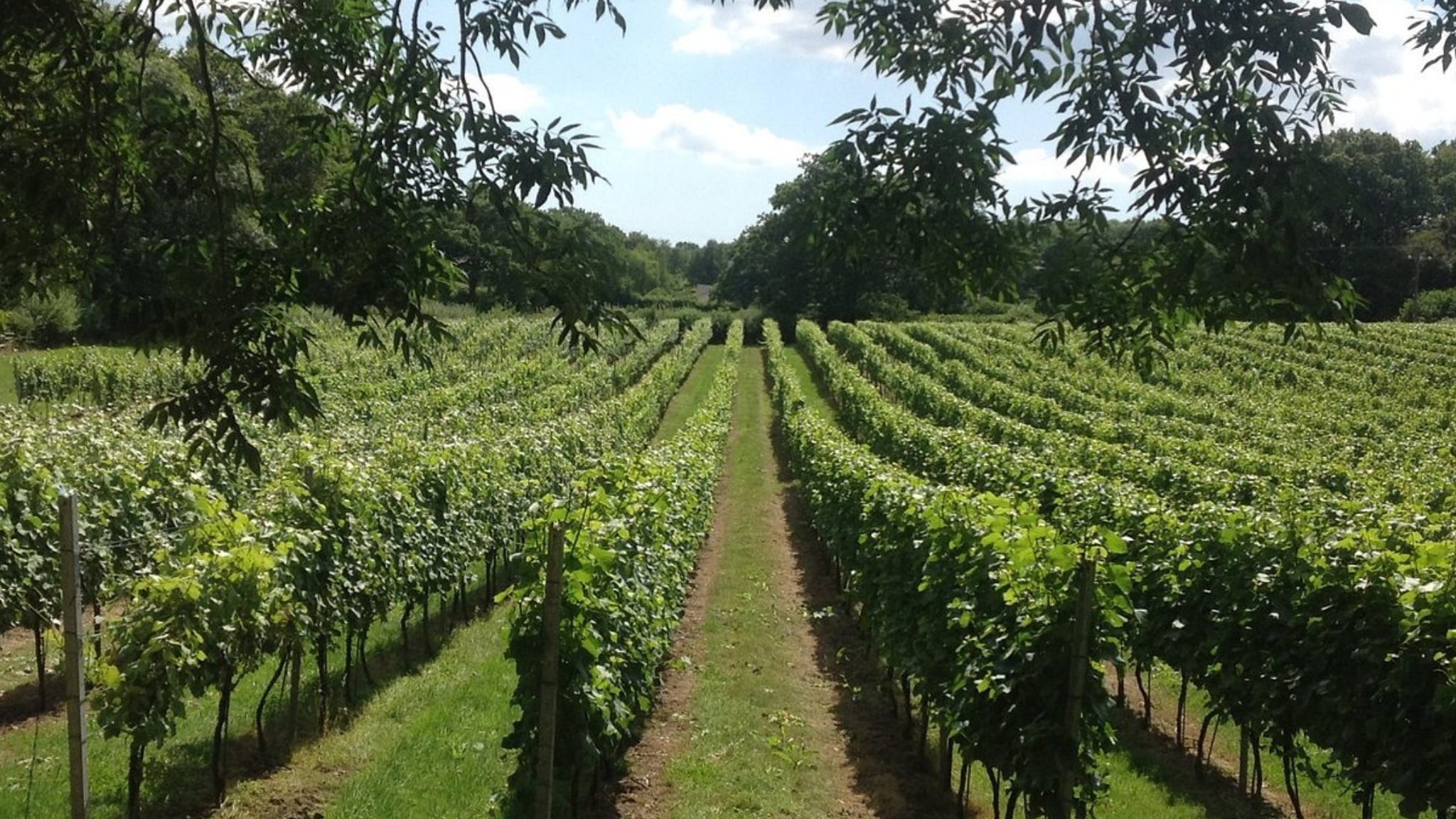
This week, I wrote about English Sparkling wine in the Daily Mail but if you missed it and are not a Mail+ subscriber, here it is:
For decades, you’d have been laughed out of any bar or wine shop for suggesting that the English could beat the French at their own game with sparkling wine - and for good reason. Early English vino tended to be on the weedy side: thin and astringent, made with obscure Germanic grapes and pumped full of sugar in a desperate bid to balance eye-watering acidity. Not any more, though - nor has it been that way for about twenty years. Anyone writing off English wine as a joke in 2026 isn’t being discerning; they’re simply not paying attention.
The numbers alone tell a story. According to WineGB, the national trade body for the English and Welsh wine industry, there are now 1,158 vineyards, nearly 260 registered wineries and sales have rocketed by around 200% in six years, making viticulture the fastest-growing agricultural sector in the United Kingdom. Waitrose has seen sales of English fizz jump 15%; Ocado says searches for English sparkling wine have doubled since last year and their BWS Trading Manager Vanessa Pearson is unequivocal: “It’s a category that’s firmly earned its place alongside some of the world’s most established sparkling wines, driven by high quality and a real sense of identity. It’s time to see English sparkling not as an alternative, but as a first choice.” Hear, hear.
If proof were needed, the silverware is seriously piling up. Nyetimber in West Sussex has been racking up gold medals since 1997 and last year, made history as the first ever non-Champagne producer to claim the International Wine Challenge’s Champion Sparkling trophy; an award the French had taken home 34 years in a row. Ridgeview in Sussex beat five champagnes in 2010 to win the International Sparkling trophy at the Decanter World Wine Awards and the same competition opened the magnum category to non-Champagne sparklers for the first time last year too - and English winemaker Dermot Sugrue walked straight in and claimed the top prize for Sugrue South Downs.
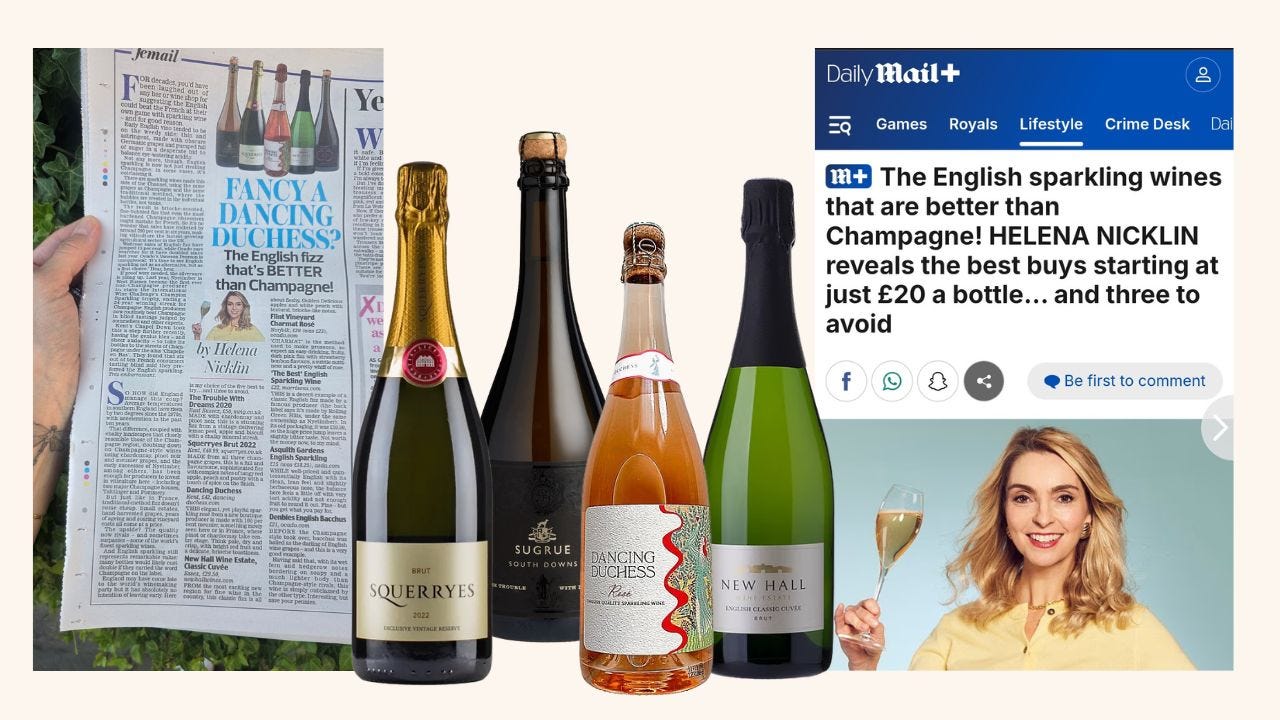
Producers like these, alongside Hambledon, Gusbourne and others now routinely beat Champagne in blind tastings judged by sommeliers and other experts. Kent’s Chapel Down took this a step further still recently, having the genius idea - and sheer audacity - to take its bottles to the streets of Champagne under the alias ‘Chapelle en Bas’. They found that six out of ten French consumers tasting blind said they preferred the English sparkling. Très embarrassant. And while fizz has been the headline act of the last two decades, English still wines are catching up fast: WineGB’s 2026 awards saw more medals go to still wines than sparkling for the first time.
So what’s changed? Climate, for one thing. Average temperatures in southern England have risen by two degrees since the 1970s, with acceleration in the last ten years. That difference, when coupled with chalky landscapes that perfectly echo the Champagne region, a decision en masse to double down on Champagne-style wines using Chardonnay, Pinot Noir and Meunier and the runaway early successes of Nyetimber amongst others, has been enough for producers to invest in viticulture here - including two major Champagne houses: Taittinger and Pommery. A 2023 report stated that nearly £480m had been invested in England’s vineyards and wineries over the previous five years; a figure that will have increased substantially by now. And while Kent, Dorset and the southern mainland coast have been getting much of the glory, eyes are now turning further north to the midlands and Yorkshire, east to Essex and across the Solent to the sunny Isle of Wight, where boutique producers like Pinkmead Estate and Gatcombe Estate are quietly laying the foundations for something sustainable and serious.
A Wine Tourism App
Wine tourism is booming, helping breed brand loyalty and chunky sales, with restaurants and guest houses springing up at wineries seemingly every week. Middle-class Brits are lapping it up, pleased to be buying British and buying local. And happily, doing that just got easier: a new app, the UK Vineyard Guide (ukvineyardguide.co.uk), launched this spring to help wine tourists find, plan and enjoy vineyard visits across England and Wales. There has never been a better time to explore the vineyards on our doorsteps.
England may have come late to the world’s winemaking party - but it has absolutely no intention of leaving early. Let’s raise a glass to that!
Try these English Sparkling Wines
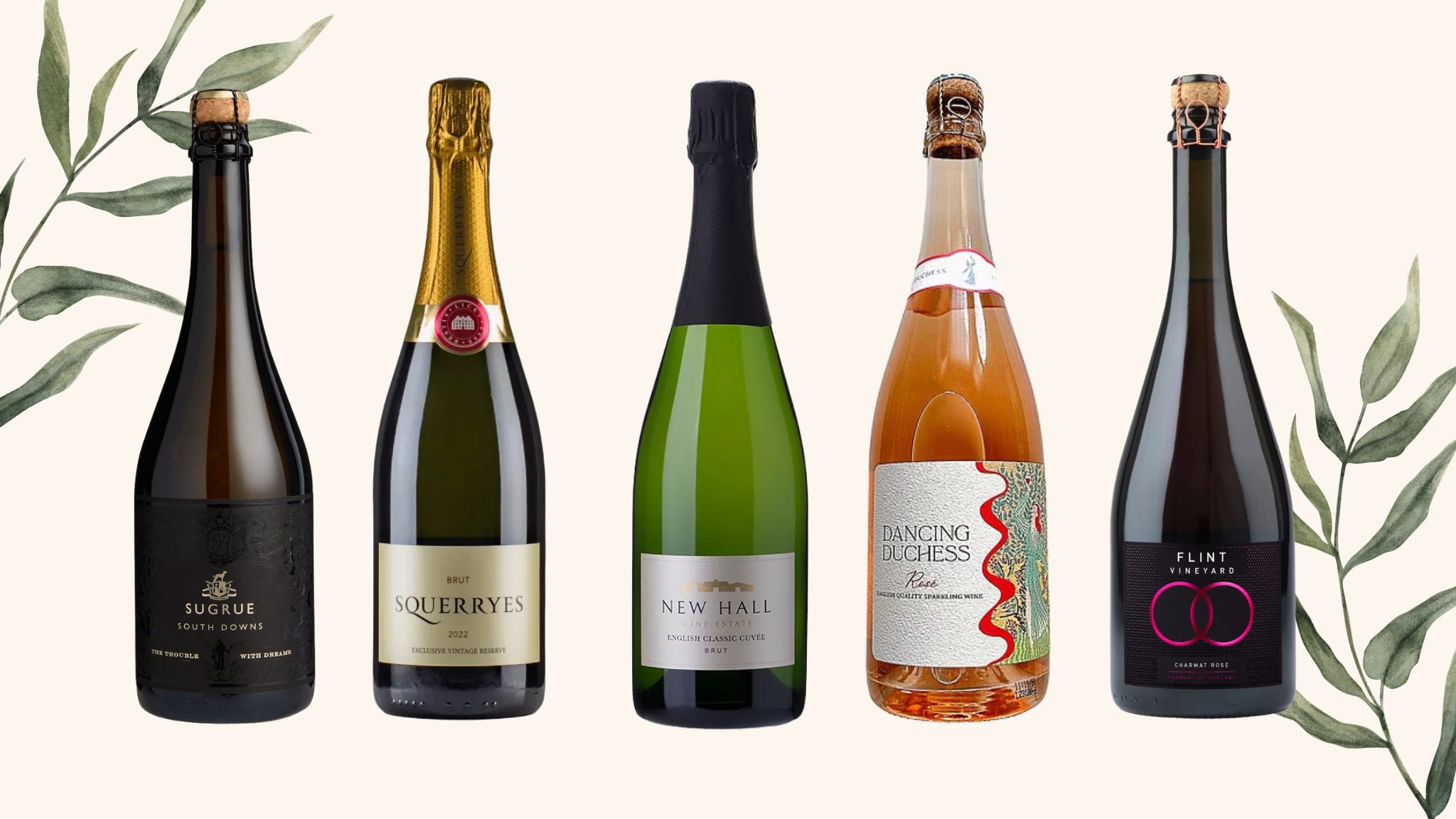
The Trouble With Dreams 2020, Sugrue South Downs, Sussex, £50 Swig
Made with Chardonnay and Pinot Noir, this is a stunning, fruit-forward, generous fizz from a gloriously warm vintage, delivering lemon peel, apple and biscuit with a chalky mineral streak.
Squerryes Brut 2022, Kent, £40.99 House of Decant, squerryes.co.uk
Made from all three Champagne grapes, this is a full and flavoursome, sophisticated fizz with complex notes of tangy red apple, peach and pastry with a touch of spice on the finish.
Dancing Duchess, £42 dancingduchess.com
This elegant, yet playful sparkling rosé from a new, boutique producer is made with 100% Meunier: something rarely seen in the UK! Think pale, dry and crisp with bright red fruit and a delicate, brioche toastiness.
New Hall Wine Estate, Classic Cuvée, Crouch Valley, Essex. £29.50 newhallwines.com
From the most exciting new region for fine wine in the country - Crouch Valley, Essex - this classic fizz is all about fleshy, golden delicious apples and white peach with textural, brioche-like notes.
Flint Vineyard Charmat Rose, Norfolk, £20 on offer at Ocado, Cambridge Wine Merchants
‘Charmat’ is the method used to make Prosecco so expect an easy drinking, fruity, fizz that’s dark pink and packed full of strawberry bon bon flavours, a subtle nuttiness and a pretty whiff of rose.