


It’s right about now that we remember that Port exists. Shame really, as it’s such a fabulous tipple all year round. Here’s a super quick guide to the various styles so you know which to gift, sip or cook with…
Port wine is arguably the world’s most famous fortified wine. If it were a pudding, it would be a Black Forest gateau with its layers of dark fruit and chocolate with brighter cherry notes - and the more cream you put on your spoon, the more into tawny and white Port styles you go. It’s produced in Portugal’s Douro Valley and there are up to 80 different native grapes that are allowed to go into it.
The 14 Styles of Port
There are a whopping fourteen official styles of Port including white, rosé and some specialty Ports. White and rosé styles stand alone but the two main categories for everything else are Ruby and Tawny. Ruby Ports are the powerful, deep red-black coloured ones made in large vats with a focus on fresher fruit flavours, while Tawny Ports are paler and more nutty, aged with oxygen in wooden barrels. Here’s an overview of all the styles:
Ruby Port
While Ruby is the general term for anything that’s not Tawny, white or pink, if it’s labelled with the word ‘ruby’, it’s the most basic style: Young and deeply coloured, with quite burny alcohol and fresh blackberry and cherry flavours.
Reserve Ruby is a small step up in quality, with more depth and complexity thanks to a slightly longer ageing period. This is also (lesser) known as Vintage Character Port.
Tawny Port
Tawny is a term for barrel-aged Ports known for their nutty, creamy, caramel flavours. It gets its name from its amber or ‘tawny’ colour, which develops over time due to extended ageing in wooden barrels and it comes in 3 key styles:
Basic Tawny is the youngest, which will have been aged in small oak barrels for 2 to 3 years, whereas Reserve Tawny will have had at least 7 years. Then you have Aged Tawny Ports, which are labelled with 10, 20, 30, or 40 years, indicating the average age of the wine in the bottle as it will be a blend of vintages.
There are also Colheita and Single Quinta Colheita Ports which are both technically Tawnies too. Colheita means ‘vintage’ in Portuguese so it’s a tawny made with grapes from one single year. Quinta means estate in Portuguese so a Single Quinta Colheita is a vintage Tawny that comes from a single estate. These wines express their vineyard terroir very strongly.
Vintage Port
The default with Port is to make non vintage wines, i.e. a blend of wines from several years, and only make vintage Port when conditions in one year were exceptional. A bit like in Champagne. There is no universal ‘vintage year’ declared by all producers though. Each house decides independently whether to declare a vintage, as they call it, based on their own quality benchmarks.
Vintage Port, because it’s technically a Ruby, starts life ageing for 2-3 years in large vats before being bottled where it continues to age, often over decades, to develop remarkable complexity, with lovely dried fruit, leather and earthy notes. This style is pure bottled potential and a great one to buy to lay down for years to mature.
Single Quinta Vintage Ports however are wines from one year and one single estate. ‘quinta’ again means estate. Style-wise, these are similar to Vintage Ports but are often softer and can be enjoyed slightly younger.
LBV stands for Late Bottled Vintage and this is a Vintage Port that is aged longer than standard vintage Port before bottling i.e. between 4–6 years - and in oak barrels. This means that unlike Vintage Port, LBV is ready to drink upon release. It can be filtered, which means it doesn’t need decanting, or unfiltered, which means it can improve with additional bottle age but will need decanting before serving.
White Port
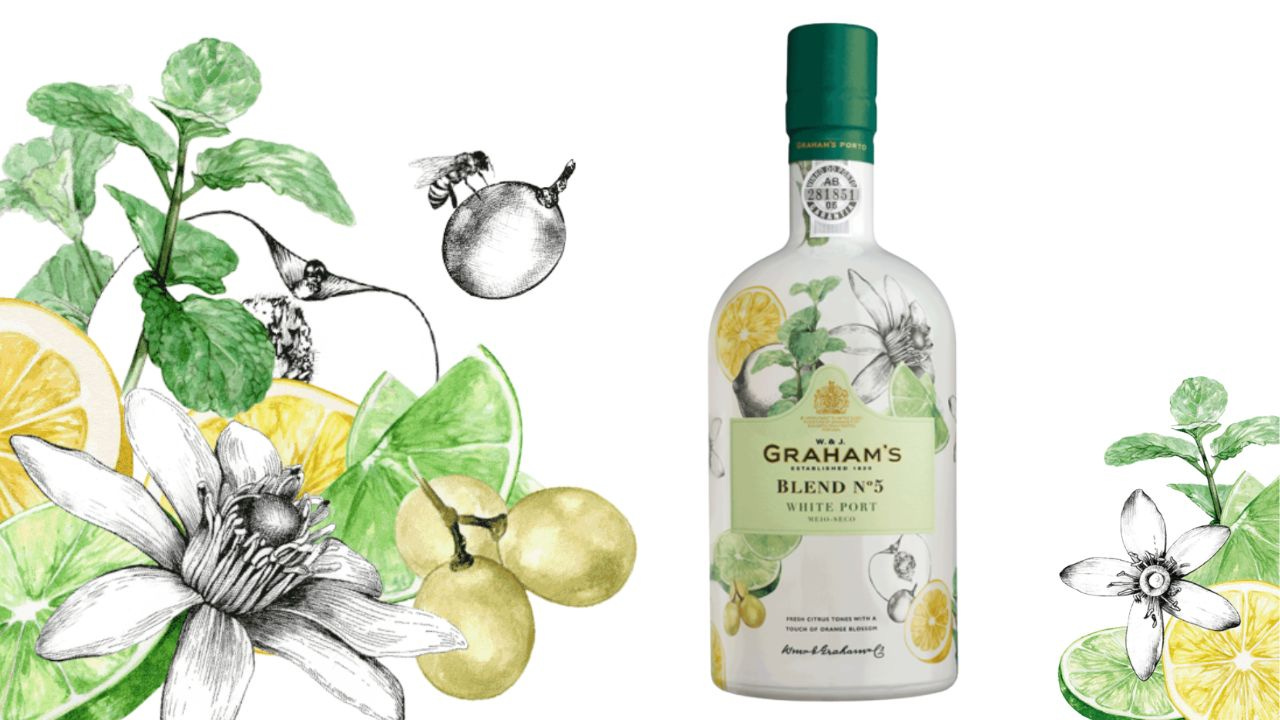
White Port is traditionally always a blend of different years and local grapes and can range from dry to sweet. These days, it is quite the trending aperitif alternative to gin - White Port and tonic. Dry styles are citrusy, nutty and floral, while sweeter versions have honey and caramel nuances. The very sweetest, most floral White Ports are known as Lágrima style.
White Port can be aged too and like Tawny, will have the average age of the wines on the label, so 10, 20, 30 etc. These aged White Ports take on intriguing characteristics with flavours like dried tropical fruit and nutmeg
Rosé Port
A relatively new style, Rosé Port is made with the same grapes as ruby and tawnies, allowing the juice minimal contact with the skins to produce a light pink colour. It’s fresh and fruity, with red berry flavours.
Speciality Ports
There are also two types of Speciality port to look out for: Crusted and Garrafeira.
Crusted Port is a delightful sounding style that has nothing to do with hippies. Instead, it’s a blend of high-quality Port wines from multiple vintages, bottled without filtration to develop in the bottle so they throw a sediment, hence the name. These can taste similar to Vintage Ports and are generally cheaper.
Garrafeira Port on the other hand is a very rare style produced by only a few Port houses and is somewhere between a vintage and a tawny port style. It has its own distinct, very complex style thanks to using a combination of barrel and glass ageing in demi-johns for many years.
Fun Fact!
Taylor’s, Graham’s, Cockburn’s? Ever wondered why lots of the Port names are British? Well, There’s been a strong British influence in Port since the 1600s when England was at odds with France, leading to trade restrictions, so British merchants looked to Portugal as an alternative wine source. They formed close commercial ties with Portuguese winemakers and in 1703, there was a treaty drawn up that allowed British merchants to import wines at reduced tariffs. Many British families decided to move there to set up Port houses in Porto and the Douro Valley, establishing the famous brands we know today.
Clear as mud? Good!
Fancy another lesson? Check out this piece on the red wines of Bordeaux, or this article on the white wines of Rueda - or even this piece on the various styles of Sherry! And while we’re at it, why aren’t all wines vegan?