

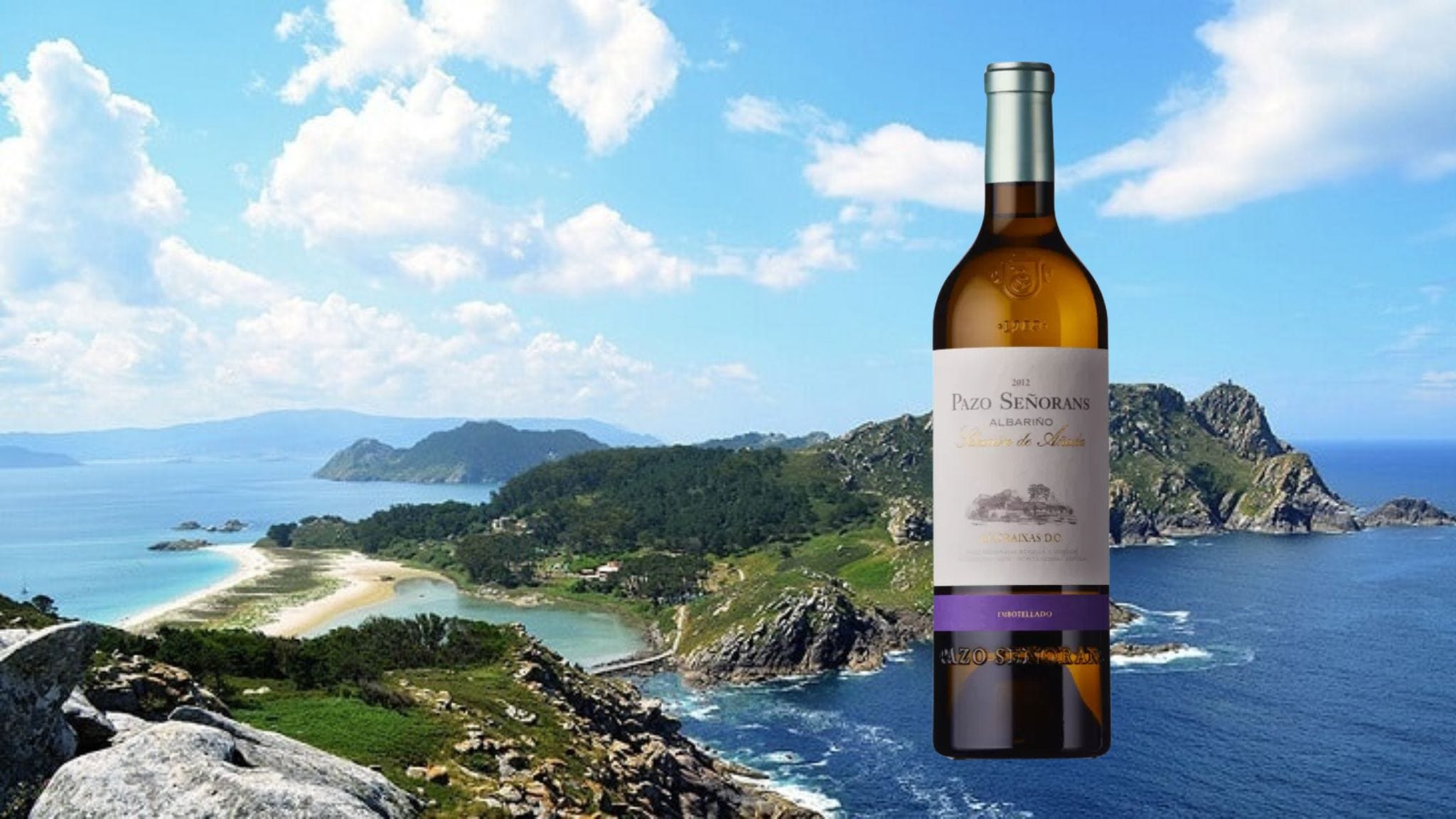
Where in the world are we?
The wine making area of Rías Baixas sits up in Galicia on Spain’s wild and wet, north-west corner. It gets its name from the many, long and thin fjord-like inlets (‘rias’) that funnel cool sea air straight into the vineyards. Baixas means lower, as this area is lower down the coast than another set of inlets: ‘Rias Alta’.
The Star Grape: Albariño
The white Albariño grape is the star of the show here. Think ripening lemons, wet rocks and salty sea spray with a peachy fleshiness and a bitter kick on the finish. Style-wise, most Albarino you’ll find is fresh and unoaked, made to be drunk young but keep an eye out for ‘sobre lías’ versions (aged on the lees for extra texture and roundness) and increasingly, some gorgeous barrel-aged and skin-contact bottlings that are wonderful with food. A teeny tiny amount of sparkling (‘espumoso’) Albariño is made too, though it’s hard to find.
The Subzones
Within Rìas Baixas there are 5 official sub regions that offer different Albariño moods:
Val do Salnés is the coolest and wettest, most coastal spot and Albariño’s historic heartland. Wines from here are nervy, saline and lemony.
O Rosal hugs the Miño River right where it meets the Atlantic on the Portuguese border. Wines here are a touch softer, often blended with Loureiro and Caíño Blanco for more perfumed and floral, peachier styles.
Condado do Tea is inland and mountainous, making it the warmest and driest subzone. These wines are ripe and round with softer acidity with classic notes of nectarine and pink grapefruit.
Soutomaior is tiny and hilly with sandy, granitic soils. These wines are especially taut and mineral-driven.
Ribeira do Ulla is the newest and most landlocked subzone, up near Santiago de Compostela. Alluvial soils here give softer, fruitier, more easier-drinking Albariño.
Food Pairings
Albariño was born for seafood - anything from octopus, oysters and prawns to simple, grilled fish. The lees aged, skin contact and oaked version can take heavier dishes too, including pork, poultry and many types of cheese.
Fun Fact!
There’s a bit of red wine in Rias Baixas too! It’s less than 5% of production and they’re usually a blend of local grapes like Caíño Tinto, Espadeiro, Loureiro Tinto, and Mencía. Style-wise, these are usually pale and light-bodied with high-acidity and a moreish, rustic funkiness. They’re often served chilled as well.
Try these:
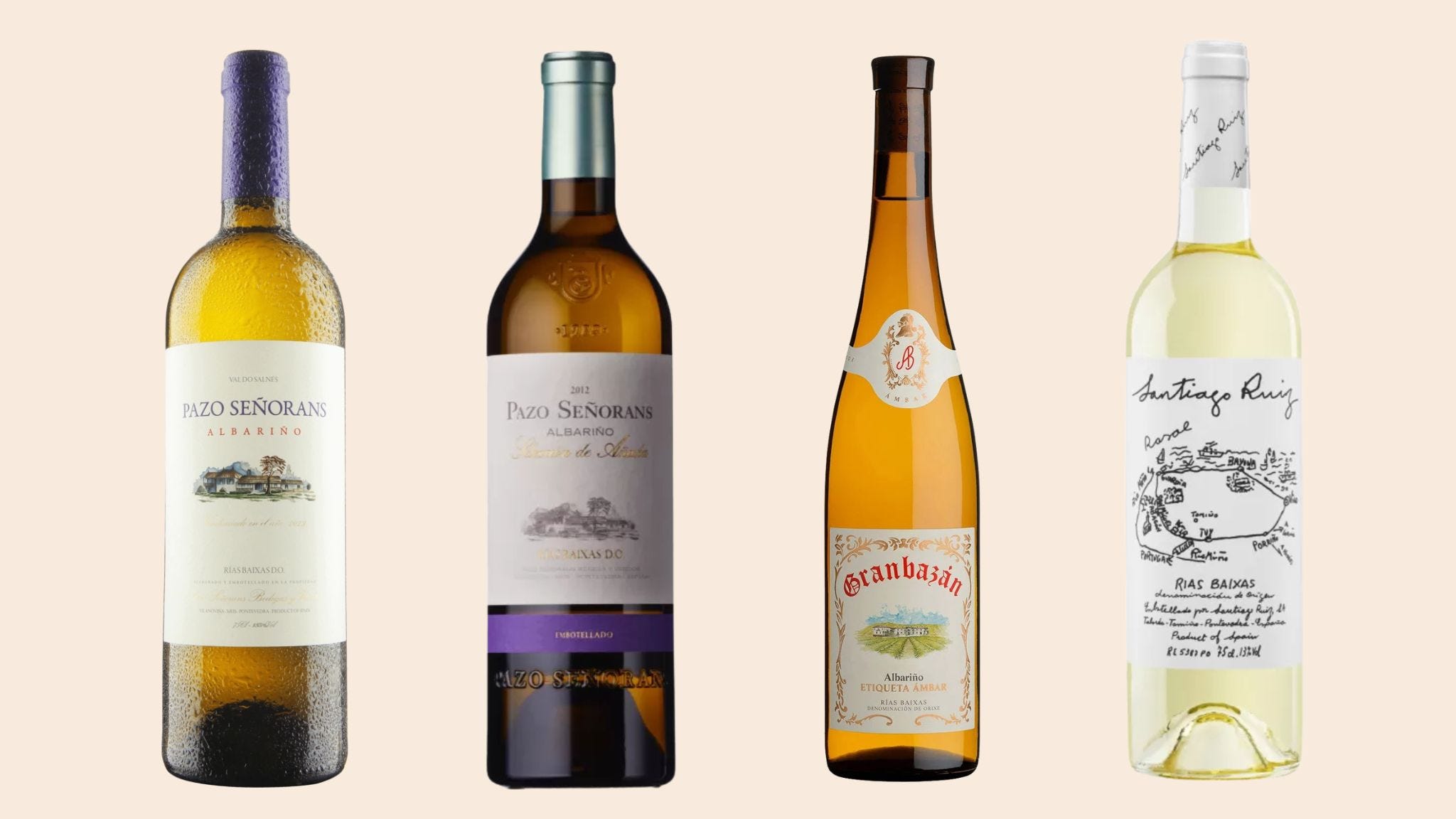
Pazo de Señorans 2024, £23.99 Virgin Wines, BBR,
A bang on, classic example of a top notch, young Albariño from Val do Salnès, Rias Baixas.
Pazo de Señorans Selección de Añada 2015, £54 VINVM £60 BBR
Did you know Albariño can age elegantly? Try this premium version from an older vintage.
Granbazán, Etiqueta Ambar, 2024, £18.95 N.D John on offer, Solent Cellar, £24
A complex, gastronomic Albariño made with hand-harvested, estate-grown grapes. This shows the weight and texture that lees ageing and long skin contact can add.
Santiago Ruiz O Rosal Rias Baixas 2025, £20.50 VINVM
A classic O Rosal blend, this is a blend of Albariño with local Loureiro, Treixadura, Godello and Caíño Blanco to give a quite a different style of white from the region.