

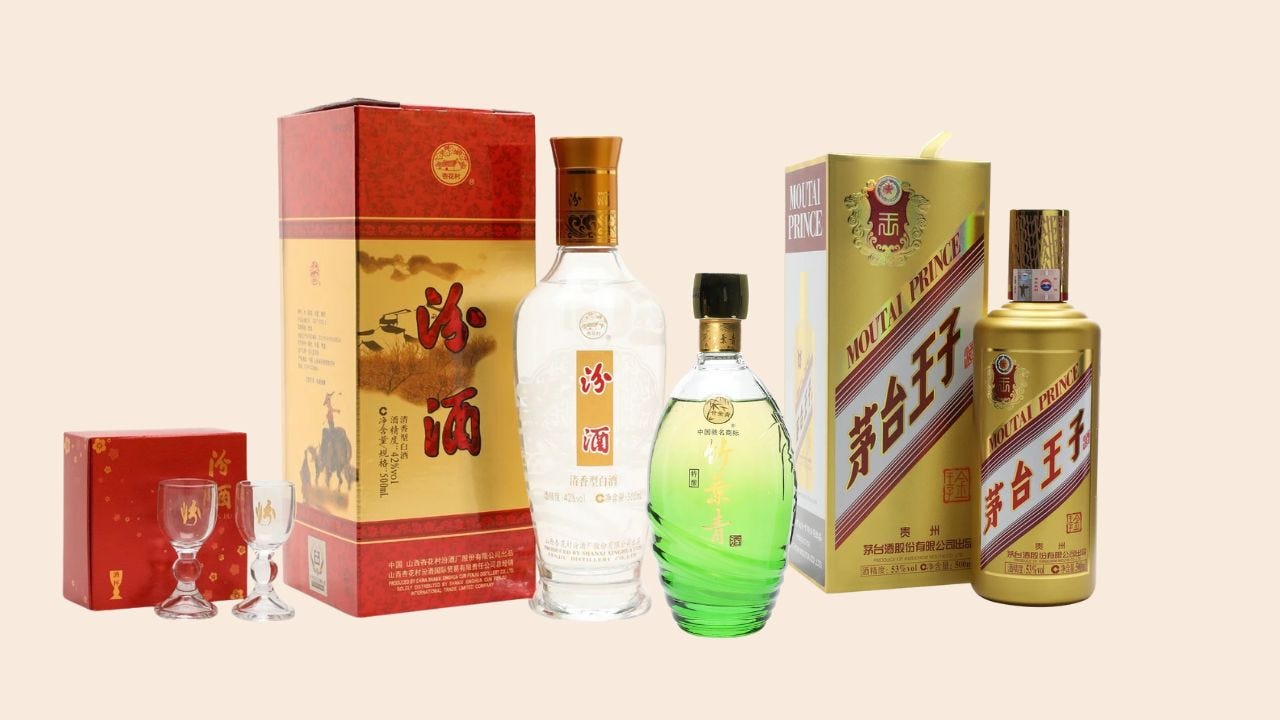
Chinese New Year celebrations are approaching, so it would be remiss of me not to talk about the Chinese spirit Baijiu as it underpins these celebrations in a big way in it’s homeland.
Baijiu, believe it or not, is the world’s best-selling spirit by volume, which to us in the West might come as a surprise as many may never even heard of it. After all, only the tiniest amount makes it out of China, yet over there, it is not just a drink; it is deeply entwined with Chinese culture. Baijiu embodies centuries of tradition, customs and craftsmanship and you’ll find this potent, clear spirit used as an integral part of social gatherings, business meetings and family celebrations, where it’s often consumed in small shots and accompanied by a hearty ‘Ganbei!’, meaning ‘cheers’.
What is Baijiu?
Distilled from any unflavoured Chinese grain - largely sorghum, although wheat, rice and corn are often used, Baijiu looks most like a vodka but has a uniquely complex taste profile that sits somewhere in between a Turkish Raki and Whisky. An acquired taste for many of us more used to western spirits, Baijiu can be best explained as a family of drinks with 12 official subcategories based on production methods that give specific flavour or ‘aroma’ profiles. The best known of these aromas are ‘Strong’ (Nong Xiang), ‘Light’ (Qing Xiang) and ‘Sauce’ (Jiang Xiang). Interestingly, these aroma styles are set by fermentation and production methods, not flavour descriptors as you might expect. Age may add savoury depth, but it won’t turn a light aroma into sauce, for example.
The 3 Key Styles of Baijiu
Strong styles, which have distinctly funky and exotic, woody and herbaceous flavours, often hail from Guizhou province in southwestern China and are drunk widely at festivals as a sign of connection with others and appreciation for the richness of life. Light aroma styles with their comparatively mild, delicately fragranced flavours, tend to hail from the northern provinces such as Hebei and Shanxi. These Baijiu are often reserved for more formal occasions and tend to be less challenging for Western palates. Sauce aroma styles are so named for their richly umami, soy sauce-esque flavours that come from a long, intricate production process, which can take years. This style of Baijiu is especially popular during Chinese New Year and other major festivals and is often used for gifting, symbolising respect and good fortune, prestige and luxury. Serving it is a sign of respect and honour to guests.
BAIJIU SIPS SAFARI
Light Aroma Style
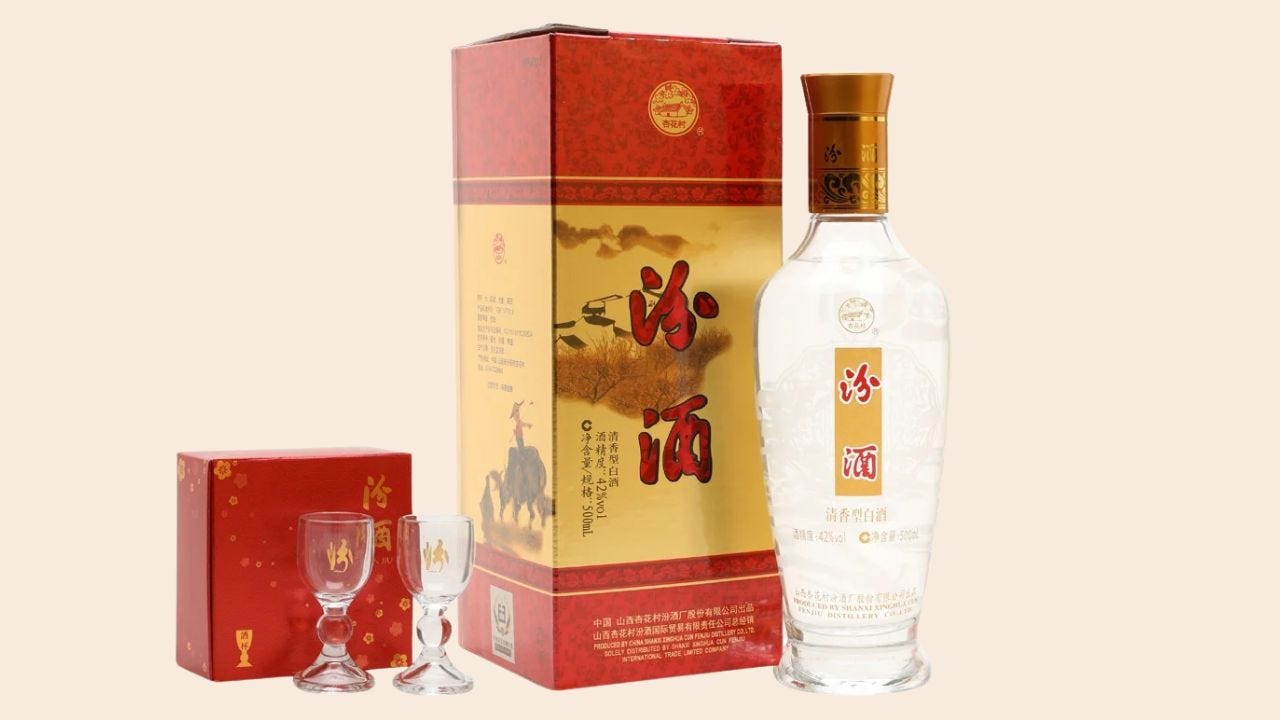
Xinghuacun Fen Chiew Baijiu, £30.25, The Whisky Exchange
A great introduction to an accessible, Light Aroma Baijiu. This spirit is soft and creamy with a moreish, subtly sweet-sour flavour and some gentle baking spice on the finish. Sip it alone over ice or it’s a good one for cocktails.
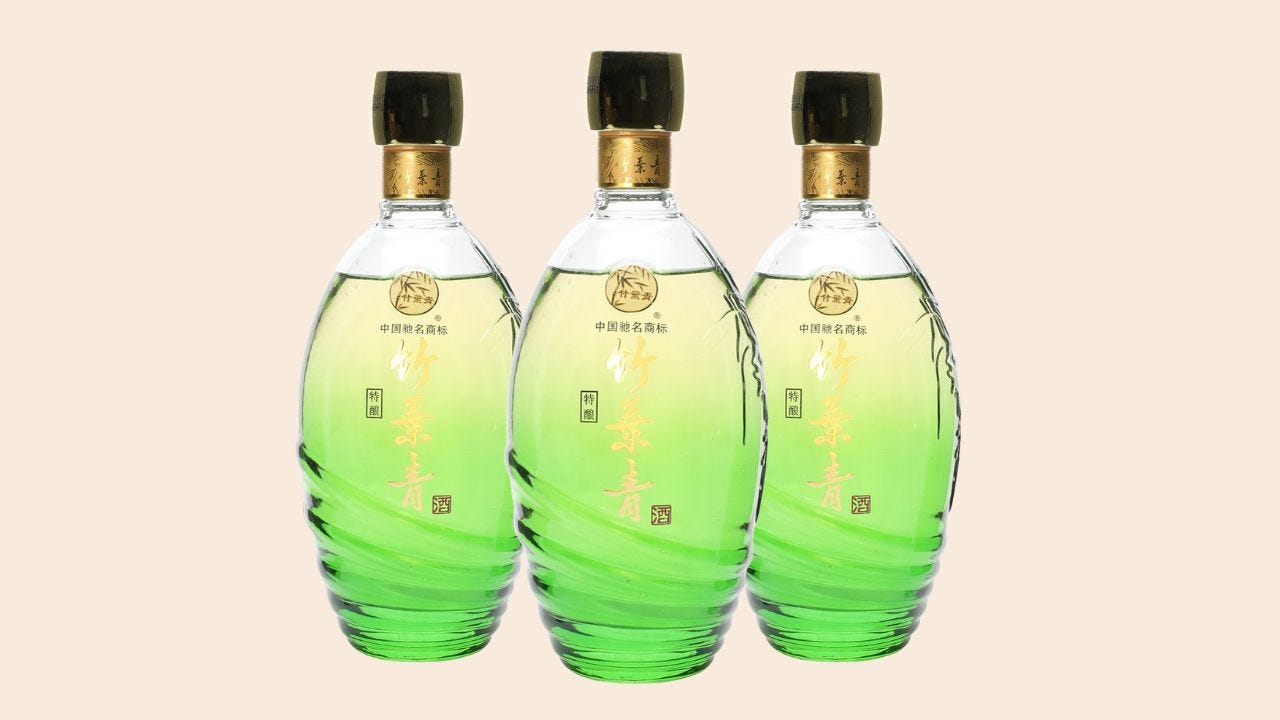
Xinghuacun Chu Yeh Ching Chiew 5 Year Old Baijiu, £30.25 The Whisky Exchange
This beautifully presented, aged Baijiu white still technically a Light Aroma style, is erring on the quirky side for Western palates, with its bamboo leaf and herb infusions, giving it a distinctive, deliciously complex profile of lime citrus with coffee bean and prune, nuts, vanilla and floral notes. It’s got it all going on! Sip this slowly neat and not too cold to allow the flavours to open up.
Sauce Aroma
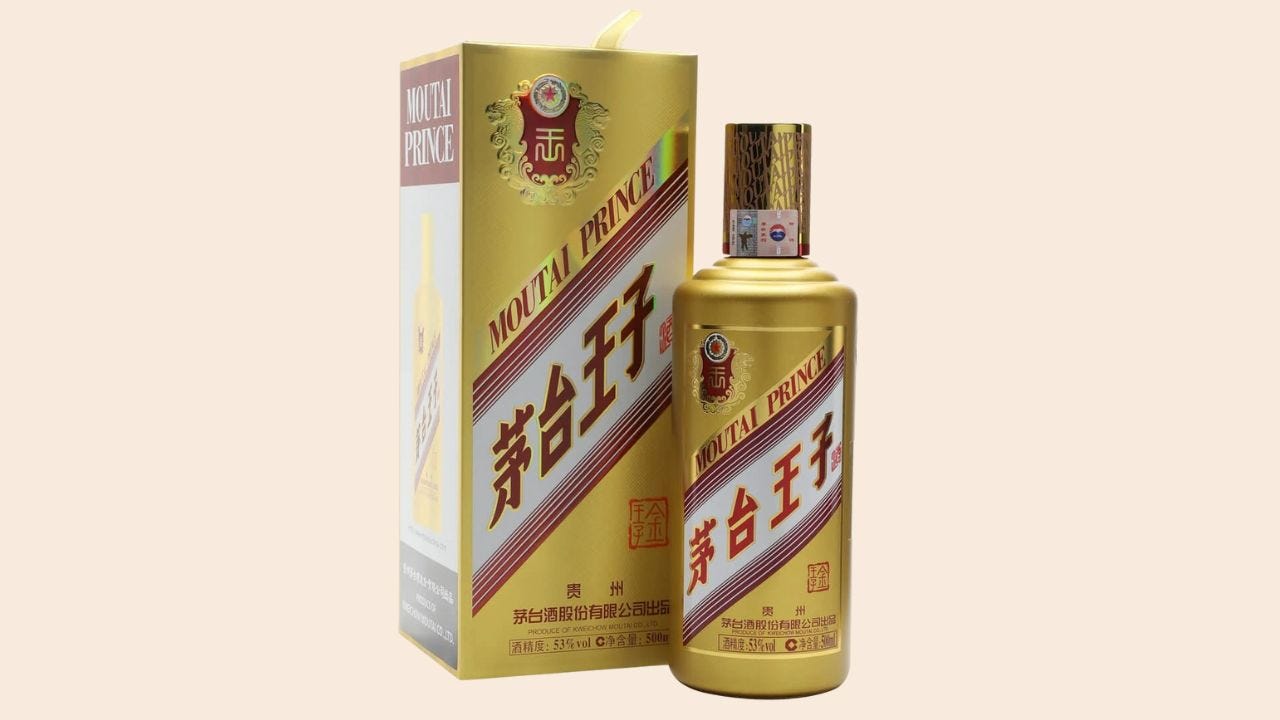
Kweichow Moutai Prince Gold Baijiu, 3% ABV, 50cl, £46.25 The Whisky Exchange
A good introduction to Sauce Aroma, this Baijiu, which is made by the most famous distillery in China, is a more reserved version of the style. There’s some umami and soy there for sure, but you’ll also get orchard fruit and a slight nuttiness. The S`uce aromas can get a lot more intense than this, but start here.
Strong Aroma
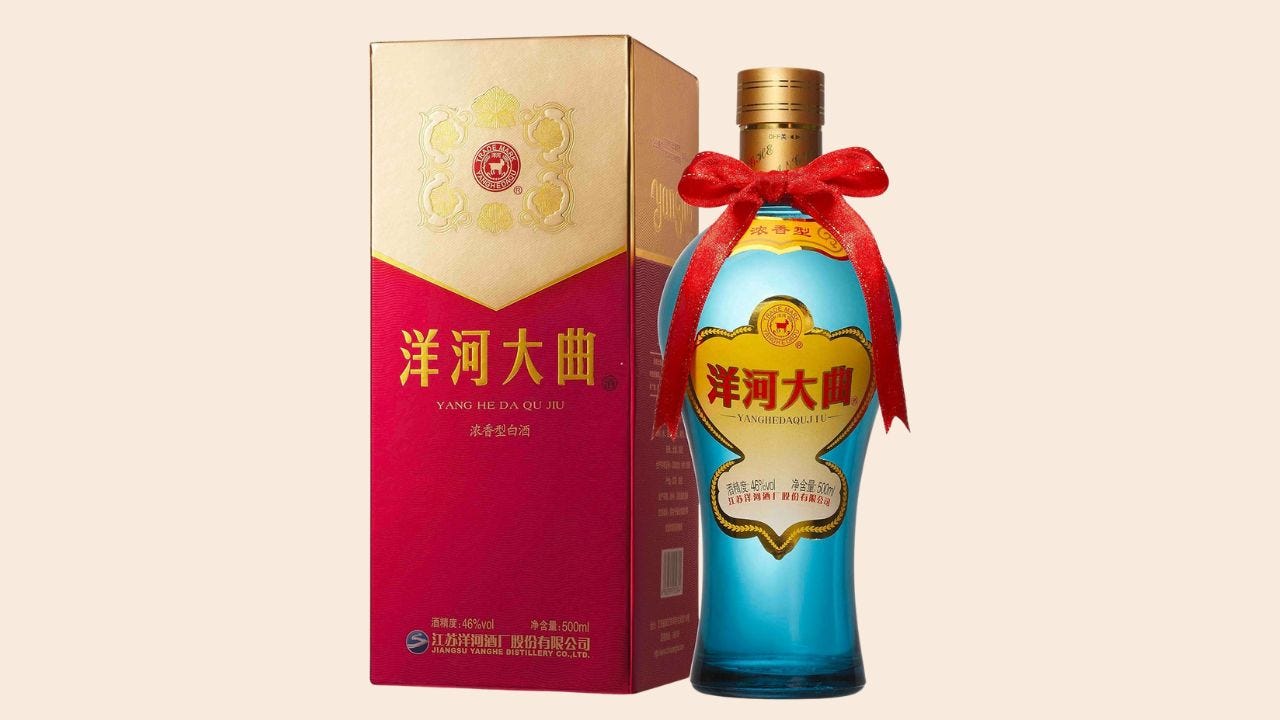
Yanghe Daqu Jiu, 52%, 50cl, £45, Amazon
Made by the Yanghe Distillery in the Hongze Lake wetlands, this Baijiu is fermented in mud pits, which are rich in aroma-producing microbes. The result is a classic, Strong Aroma style of Baijiu, which hits you before you sip with notes of ripe banana and pineapple, with some sweet grain underneath and a wonderful, slightly oily texture. Not for the faint-hearted as it packs a punch!
Have you ever tried Baijiu? Tell me what you think below and tag me in socials @HelenaSips if you try some!
I found an Australian version online for $A99. for 500ml. Dan Murphy'ss online do have Fenjiu
Black Baijiu 500mL for $A60 and Fenjiu Red Baijiu 500mL for $70 . Other offerings incluude Yanghe
Da Qu Azure 500mL. Xinghuacun Fen Chiew Baijiu, or similar, is not available in Australia.